December eggplants
As the cooler temperatures of December settle in, gardeners in Zone 10a—including Central Florida—enjoy a unique opportunity to set the stage for a vibrant spring flower season even as the fall plants continue to grow. While many regions are dormant, December here is the perfect time for soil preparation, seed starting, and garden planning. Here’s your guide to getting your garden ready for an explosion of blooms come spring.
Soil Preparation: Setting the Foundation for Growth
Healthy soil is the backbone of a thriving garden. In December, take the time to:
Test Your Soil: Use a soil testing kit to check pH levels and nutrient content. Many cut flowers prefer a slightly acidic to neutral pH (6.0 to 7.0). You can reach out to your local agricultural extension for more information.
Amend and Fertilize: Enrich your soil with compost, aged manure, or organic matter to improve texture and nutrient density. For sandy soils common in Central Florida, consider adding organic material to boost water retention.
Weed and Mulch: Remove any lingering weeds to prevent them from competing with your flowers for nutrients. Add a layer of mulch to regulate soil temperature and reduce weed growth. We often break down cardboard boxes and lay them over large areas to prepare for new beds. Utilizing boxes helps keep them out of landfills and achieves large areas of weed suppression. In January we will have composted delivered to cover the boxes, which helps them break down over time.
Seed Starting: Timing is Key
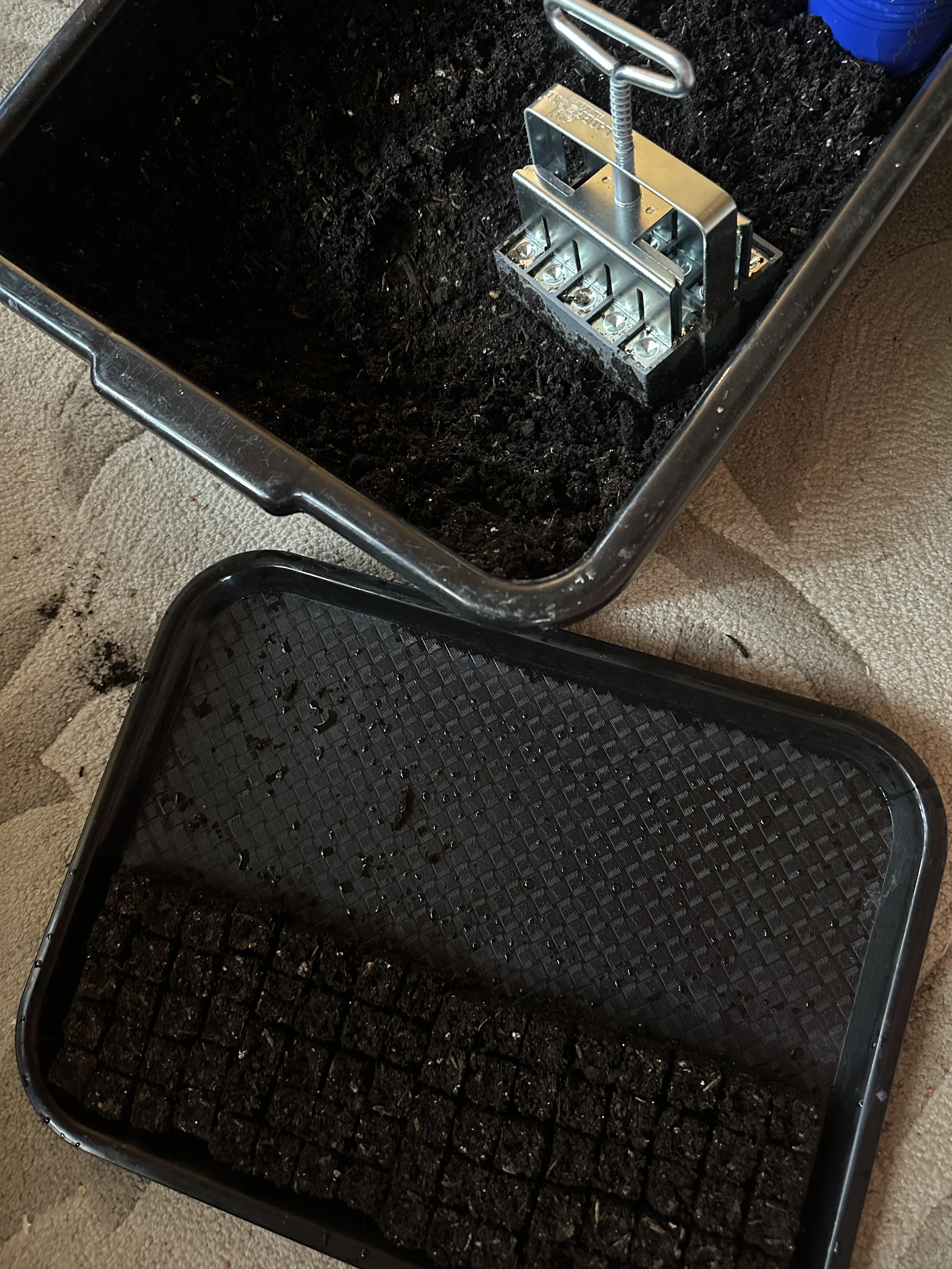
Soil blocking for starting seeds
We typically start spring our spring planting as early as October, continuing successions through January. Starting seeds indoors or in a protected outdoor area can give your flowers a head start. Here are some tips:
Choose the Right Varieties: Early bloomers like statice, snapdragons, stock, larkspur, and calendula thrive in Central Florida’s early spring conditions. These can be started indoors in November/December for planting out in January or February. Succession planting can yield multiple flushes of blooms for a longer period of time. We also start planting things like strawflowers, orlaya, Dara, bachelor’s buttons, and many other filler flowers to enjoy throughout the spring.
Use Quality Containers and Soil: We prefer to use soil blocking and reusable cafeteria trays for most of our seeds, but opt for deep-cell trays for varieties with a deep taproot. For both we start with a light, well-draining seed-starting mix. All trays should be cleaned and sanitized prior to being used.
Provide Adequate Light: Place seed trays in a sunny window or use grow lights to ensure 12-16 hours of light per day. You can set up LED shop lights on a shelf for a budget-friendly solution. Add a couple of timers, and this is a no-thought required process.
Water Wisely: Keep the soil evenly moist but not waterlogged. Covering trays with a humidity dome can help retain moisture. When using soil blocking, it is best to mist lightly or bottom water to avoid disturbing your seeds.
Garden Planning: Designing Your Spring Masterpiece
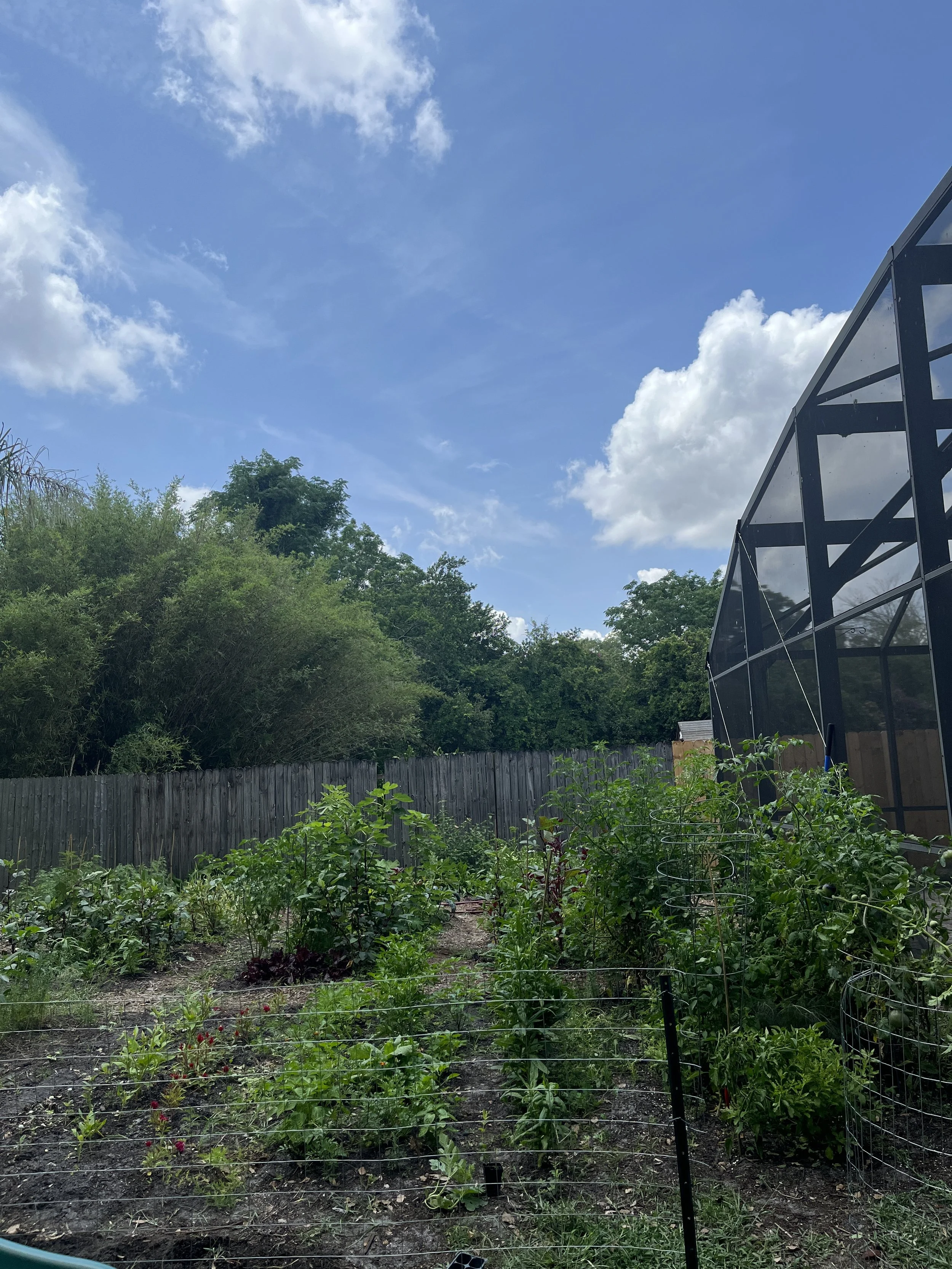
Winter planning creates an orderly spring garden.
December is the ideal time to map out your garden’s layout and prepare for a harmonious bloom.
Companion Planting: Plan to group flowers with similar sun, water, and soil needs together. For example, cosmos and zinnias love full sun and well-draining soil.
Succession Planting: To ensure continuous blooms, stagger planting dates for varieties like sunflowers and snapdragons.
Irrigation Plans: Start planning your drip irrigation or hand-watering routines to keep your blooms thriving. Most flower varieties are sensitive to splash-back from the soil and overhead watering, so be conscious of your watering techniques.
Cut Flower Varieties for Early Spring

Snapdragon seedlings hardening off in the sun.
For a bouquet-worthy garden, focus on these varieties:
Snapdragons: Perfect for cooler weather, snapdragons provide height and vibrant color. These are a customer favorite in our market bouquets.
Stock: Known for its fragrance and early blooming, stock is a must-have for any spring garden.
Larkspur: Adds delicate texture and comes in a range of pastel hues.
Calendula: Bright and cheerful, calendulas can handle cool temperatures and add a pop of orange or yellow. We grow lots of calendula for our LCP face & body oil.
Sweet Peas: These climbing flowers bring both beauty and scent to your garden, making them a favorite for cutting.
Additional Tips for December Gardening in Zone 10a
Pest Control: Keep an eye out for aphids and caterpillars. Manual control (picking the caterpillars off by hand) is the least harmful method to native polinators, and planning companion plants and crop rotation can be a great way to minimize pest damage. When pests become unmanageable, be conscious of impacts to pollinators by spraying in the evening when they are least likely to be feeding.
Tool Maintenance: Sharpen pruning shears and clean tools to prevent the spread of disease. This oft-forgotten task is important in being prepared for a productive season.
Frost Protection: While rare, Central Florida occasionally experiences light frost. Keep row covers or frost cloths handy to protect tender seedlings. Most varieties we are planting this time of year are frost-hardy, so we typically just throw out some old sheets for protection.
With the right preparation this December, your Zone 10a garden will be ready to burst into a riot of color come spring. By focusing on soil health, seed starting, and careful planning, you’re setting the stage for a garden that will not only thrive but also provide endless joy and beauty. Happy gardening from all of us at ONE SUN Farm & Flora!